
Why does YH-2000 inspection selection first look at load and flight endurance?
Wide-area inspections often discuss the coverage area first. What really determines whether the plan can be implemented is what equipment the platform can carry and how long it can work continuously.
Wide-area inspections often discuss the coverage area first. What really determines whether the plan can be implemented is what equipment the platform can carry and how long it can work continuously. Different cameras and communication equipment correspond to different weight, power supply and installation requirements; the longer the route, the more the return margin and temporary review time need to be calculated in advance. When selecting a model, first list the task equipment and points that must be observed, and then look at the range that can be covered.
The YH-2000 has a maximum payload of 15 kg and a maximum endurance of 600 minutes. It is a vertical take-off and landing composite wing. The former item is the weight boundary of the equipment configuration, and the latter item is the reference index for continuous flight. The two parameters cannot directly constitute the promise of flying for 600 minutes at full load; the flight time under the target load needs to be verified based on fuel, weather, route and communication conditions.
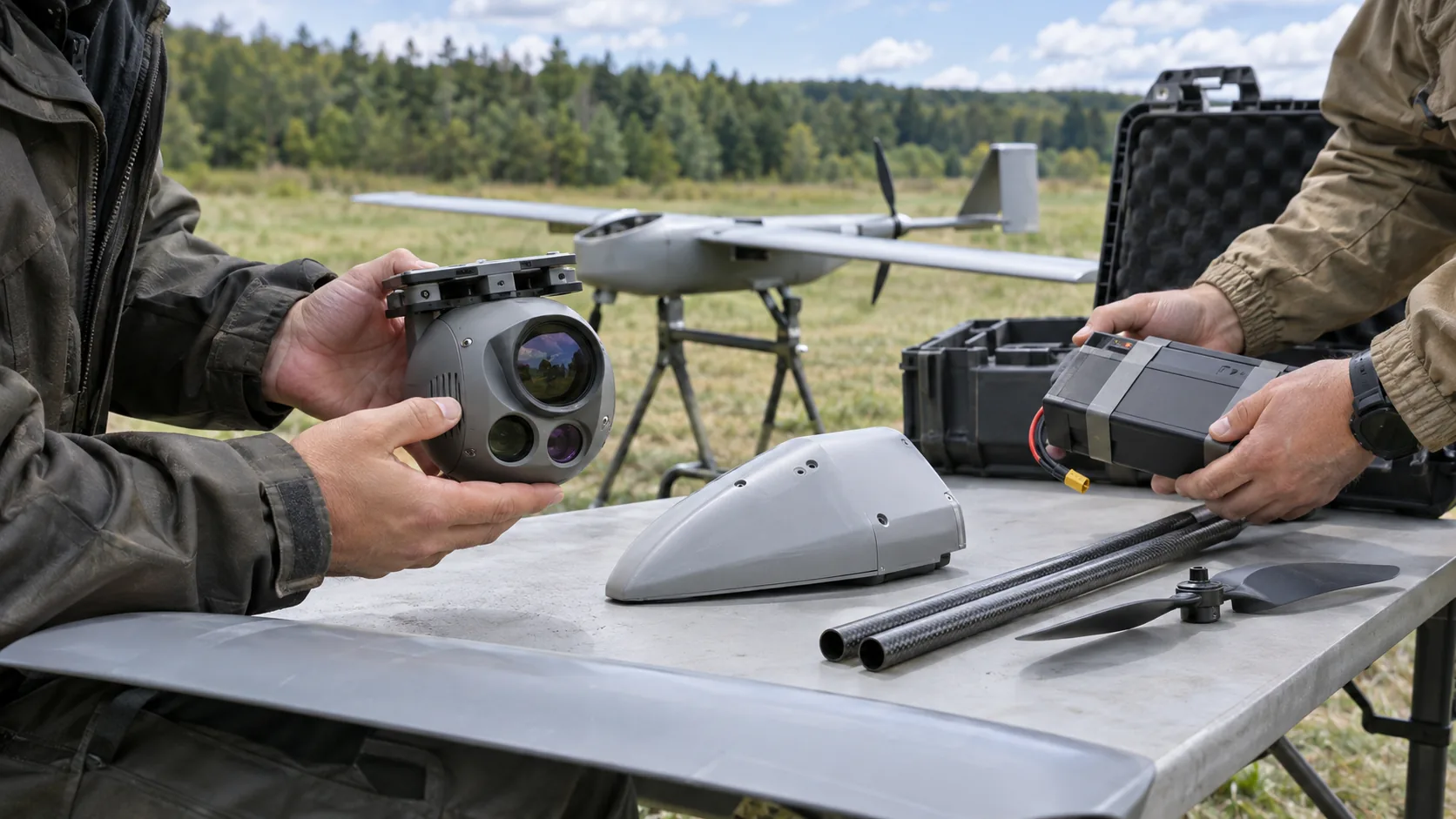
Inspection tasks can be divided into continuous coverage and key review. Continuous coverage emphasizes flight segment arrangement and image integrity, and focused re-viewing emphasizes whether problems can be identified in local images. If you only pursue the longest time, you may get a large number of videos that are difficult to retrieve; if you only select high-weight equipment, you may compress the effective working time. Write the point list, required image quality and equipment weight on the same page so that the comparison can be based on.
The take-off and landing sites, control links and data handover methods should also be checked during deployment. The control radius of YH-2000 can be customized from 50 to 100 km, but the control range is not the length of the inspection line that can be directly completed. Mountains, buildings and the on-site electromagnetic environment may affect the return effect; key points need to retain the original image, location and shooting time to facilitate subsequent review.
The final evaluation should look at how many points are actually covered, whether the image is discernible, whether anomalies can be located, and whether ground personnel can continue processing. In this way, load and flight endurance are not just two numbers on the page, but will become the common basis for camera selection, route arrangement and acceptance records. Only by continuing to use the same point numbers and shooting rules can the inspection data have comparative value.