
How to understand the loaded flight time of YH-3000
Multi-rotor platforms are often used for short-range observation at rescue sites because the mission scope can be organized around a single point to supplement the perspective that is difficult to obtain on the ground.
Multi-rotor platforms are often used for short-range observation at rescue sites because the mission scope can be organized around a single point to supplement the perspective that is difficult to obtain on the ground. When evaluating this type of mission, endurance numbers must be viewed along with the payload. Depending on the weight of cameras, lighting, communications equipment or other mission payloads, the time available for observation and return will also change.
The parameters of the YH-3000 clearly list three sets of conditions: about 18 minutes with a 60 kg load, about 30 minutes with a 30 kg load, and about 55 minutes without a load. These numbers are not interchangeable, nor can you write about 55 minutes as heavy duty time. The mission plan should determine actual equipment weight before allocating takeoff, arrival, observation, and return times, with allowance for changes in the field.
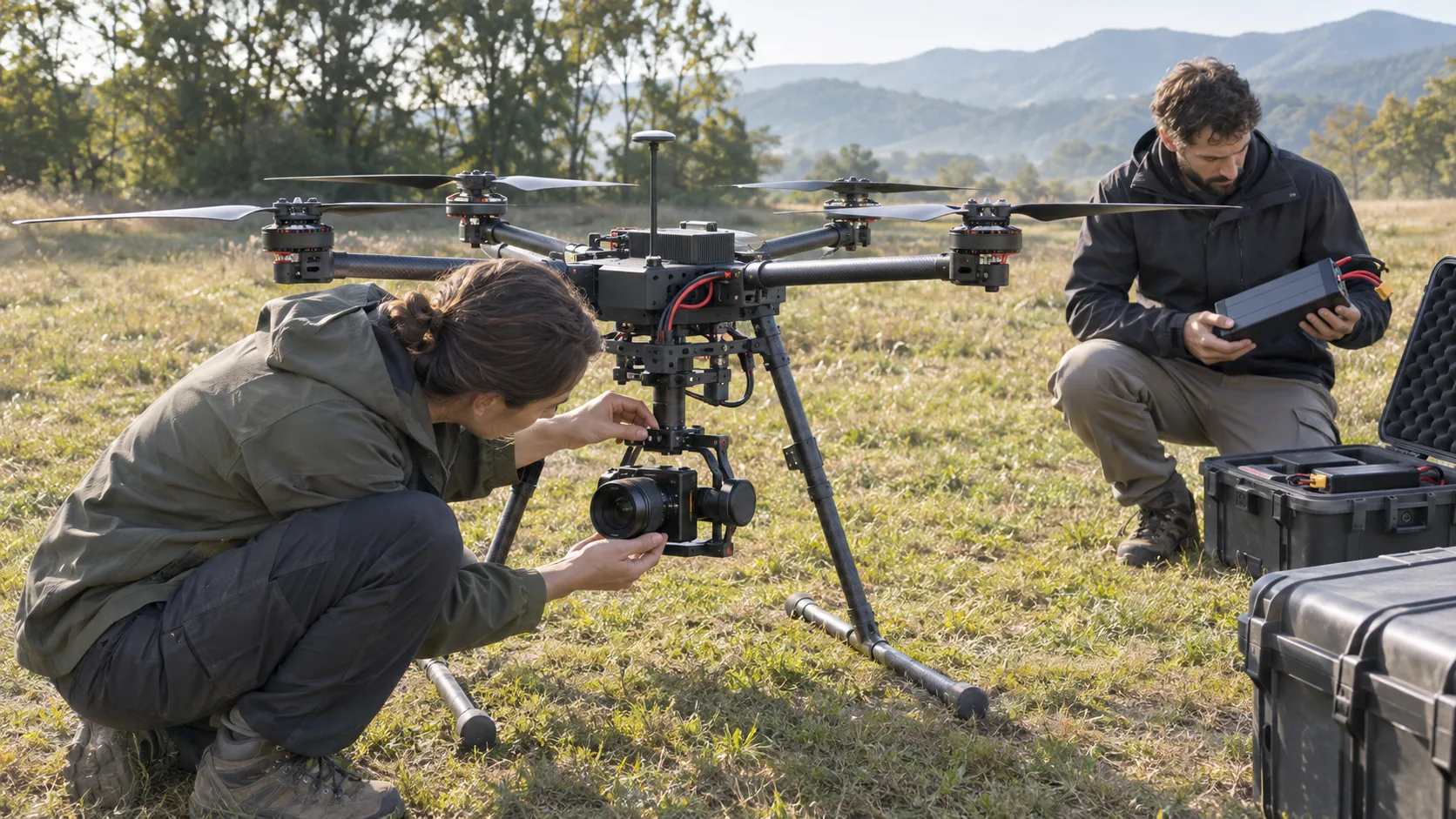
There are often multiple locations to be reviewed at the rescue site, so it is appropriate to list the issues by priority first. If you only need to confirm one blocked road section, image collection can focus on the panorama and partial view of that point; if you want to view multiple locations continuously, you should recalculate the route and battery capacity instead of simply superimposing points. For areas that cannot be safely approached, the occlusion and distance restrictions are recorded for adjustment in the next round of tasks.
Payload adaptation also includes power supply, installation interfaces, equipment fixation and data return. Just because the platform can bear a certain weight does not mean that any camera can be directly installed and used. Before flying, the image stability and effective operating time should be verified under the target configuration; the time, location, and shooting direction should be retained during the flight to ensure that the image can be reviewed by on-site personnel.
When introducing the YH-3000 to the outside world, the loaded flight time and unloaded flight time are clearly listed separately, making it easier for users to judge which type of short-distance mission it is suitable for. The final output should be usable images, unconfirmed items and review status of key points. In this way, payload and endurance can not only guide equipment selection, but also help the team arrange an executable rescue observation window.