
Wide-area search and close-range review plan for mountainous search and rescue
Mountain search and rescue begins by putting the last known location, roads, terrain and investigated areas on a common map.
Mountain search and rescue begins by putting the last known location, roads, terrain and investigated areas on a common map. The air mission is divided into two levels: YH-2000 is responsible for continuous observation over a larger area to help confirm the search boundary and possible entry channels; YH-3000 is used for local review close to safe take-off and landing points. Both types of images should retain the time and location for verification by ground teams.
YH-2000 has a maximum payload of 15 kg and a maximum flight endurance of 600 minutes. It is suitable for evaluating observation equipment and coverage rounds required for wide-area searches. The YH-3000 is a multi-rotor, with parameters listed for approximately 18 minutes with a 60 kg load, approximately 30 minutes with a 30 kg load, and approximately 55 minutes without a load. Close review should be scheduled according to the actual weight of the equipment. Do not use the no-load endurance figure for loaded tasks.
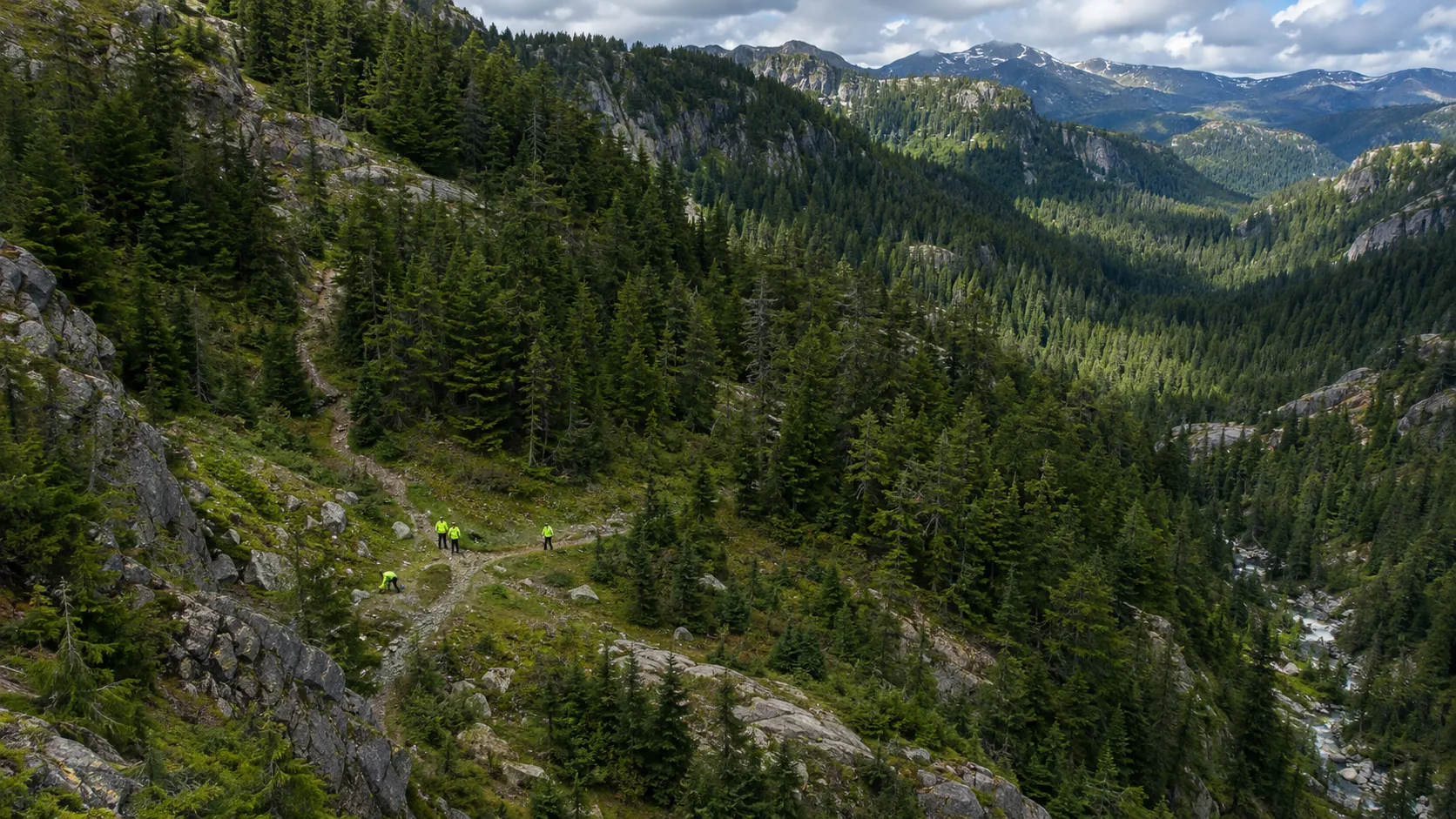
Before searching, first divide the priority area, the area to be reviewed and the area that has been investigated, and mark the blind areas caused by valleys, forest canopies and buildings. After a suspected clue is found in the wide-area imaging, the coordinates, direction and original footage are recorded, and the person in charge of the scene will decide whether to arrange YH-3000 re-shooting or ground verification. Partial review only supplements the information that needs to be confirmed to avoid repeated flights occupying the rescue window.
The payload interface, power supply, camera and communication methods of the two models need to be confirmed according to the target configuration. If the site wants to add communication relays, the equipment weight, network backhaul and continuous power supply must be designed separately. The equipment that can be carried on the platform cannot be directly understood as having a complete relay system. Weather, take-off and landing space, and personnel movement areas should also be factored into the mission plan.
An updated search status map, clue sheet, and unobserved area inventory are delivered after each flight. Suspected targets can only be changed to confirmed status after verification from the ground or other reliable information. The division of labor between YH-2000 and YH-3000 allows wide-area coverage and local observation to have clear purposes. The focus is to reduce repeated searches and let on-site personnel know where to check next.