
Multi-point close-up observation plan at the rescue site
There may be multiple locations at the rescue site that need to be revisited at the same time: a blocked road, a building facade, an area that is not directly accessible from the ground.
There may be multiple locations at the rescue site that need to be revisited at the same time: a blocked road, a building facade, an area that is not directly accessible from the ground. If each issue requires a large-scale reorganization of flights, information handover is likely to slow down. The plan is for YH-2000 to first establish an overview of the area, and then arrange for YH-3000 to conduct close observations around clear points, forming a continuous record from discovery to review.
The multi-rotor form of YH-3000 is suitable for local fixed-point observation, but the working time must be stated together with the load. Its parameters correspond to about 30 minutes for a 30 kg load, about 18 minutes for a 60 kg load, and about 55 minutes of no-load endurance. When selecting a camera or other equipment, first check the weight, power supply and installation method, and then reserve the time required for takeoff, return and on-site changes, and avoid scheduling tasks with no-load numbers.
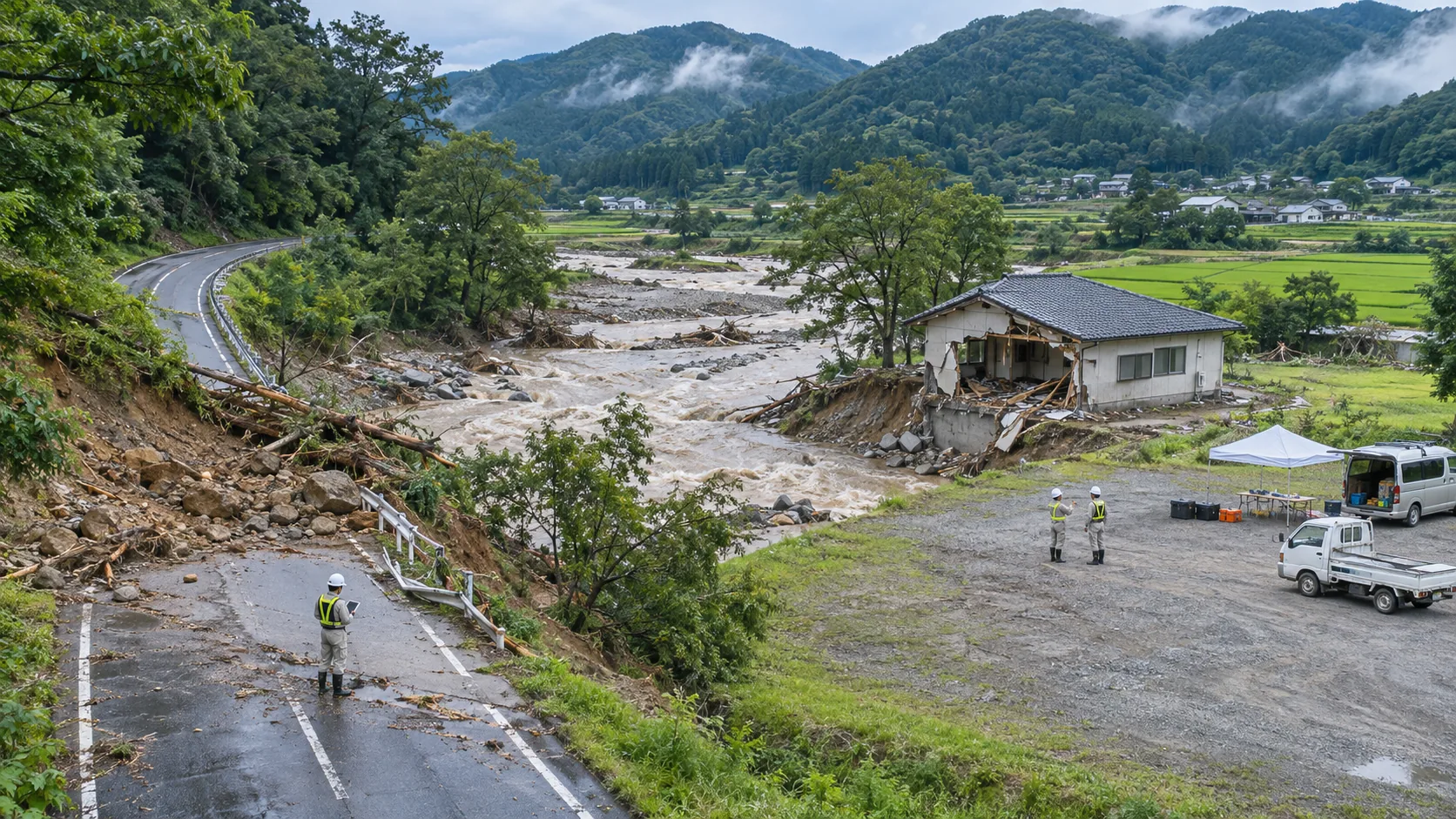
The YH-2000's maximum payload of 15 kg and maximum endurance of 600 minutes are used to evaluate area coverage and search rounds. After it discovers a suspected problem, on-site personnel should first determine whether there is a safe take-off and landing area nearby, whether partial magnification of the image is required, and whether it can be directly verified by the ground team. Only when it is really necessary to supplement the aerial perspective, the YH-3000 can be arranged to enter local tasks.
During execution, a unique number is set for each point, and the wide-area image and the close-range image share the number and coordinates. The operator records what is seen, what is unclear, and whether additional shots are needed; the extent of damage and rescue measures are judged by personnel with on-site information. If weather, smoke, or obstacles affect visibility, the report should clearly state the limitations. Invisibility should not be regarded as no problem.
The delivery content includes point maps, panoramic and partial images, unconfirmed matters and review status. After the task is completed, first check whether key issues are missed, and then hand the results to the person in charge on site. The core of the cooperation between the two models is a clear handover between wide-area discovery and close-range confirmation, and each flight is arranged according to actual load and site conditions.